Start Your Home With the Foundation It Deserves
Before you can build your dream home, before contractors can pour foundations, before any structure can rise from the ground, you need one critical element done absolutely right: the house pad.
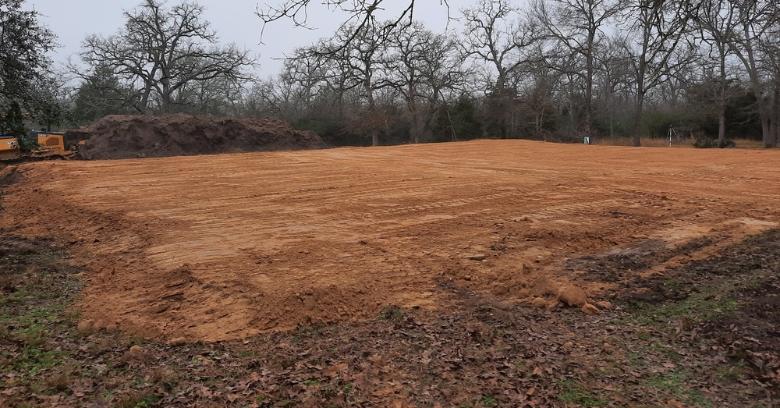
A house pad is more than just a flat spot where your home will sit. It’s a precisely engineered surface that provides stable support for your foundation, ensures proper drainage away from your structure, and sets the stage for a home that lasts generations rather than one that faces settling, cracking, and moisture problems.
At 3B Site Development Inc, we specialize in precision house pad construction for residential builds throughout Bunnlevel and the surrounding areas. We understand that the quality of your house pad directly affects everything built on top of it. Get it right, and your home has a solid foundation for success. Get it wrong, and you face expensive problems that are nearly impossible to fully correct after construction is complete.
The Serious Consequences of Improper House Pad Construction
House pad problems don’t always show up immediately. Sometimes it takes months or even years for the full extent of issues to become apparent. But when they do emerge, the consequences are severe:
Foundation Settlement and Cracking That Compromises Your Home
When house pads aren’t properly compacted or are built on unsuitable soil, foundations settle unevenly. This differential settlement causes cracks in foundation walls, floor slabs, and the structure above. Doors stop closing properly. Windows crack. Gaps appear in walls. These aren’t minor cosmetic issues—they’re structural problems that affect your home’s integrity and value. Repairing foundation settlement is extremely expensive and never as good as building on a proper house pad initially.
Drainage Failures That Lead to Water Damage
House pads must be graded to direct water away from foundations in all directions. When grading is wrong, water flows toward the house instead of away from it. This creates moisture problems in crawl spaces and basements, foundation water infiltration, and long-term structural damage from constant water exposure. Moisture problems also lead to mold, wood rot, and indoor air quality issues that affect your family’s health and your home’s livability.
Construction Delays That Cost Time and Money
When foundation contractors arrive at a poorly prepared house pad, work stops until problems are corrected. Improper grades must be fixed. Unstable soil must be recompacted or replaced. These delays affect your entire construction timeline, pushing back contractor schedules, extending construction loans, and potentially affecting seasonal weather windows. The cost of correcting house pad problems mid-construction is always higher than doing it right initially.
Building Permit and Inspection Failures
House pads must meet specific requirements for elevation, grading, and compaction. Pads that don’t meet these standards can fail inspections, requiring expensive corrections and creating project delays. In some cases, entire house pads must be reconstructed to meet requirements.
Our Precision House Pad Construction Process
Building house pads isn’t casual grading work. It requires precision, proper compaction, and attention to specifications that affect everything built afterward.
Detailed Elevation and Layout Planning
We start by understanding your home plans, foundation type, and site conditions. We establish precise elevations that provide proper drainage while meeting minimum foundation height requirements. We lay out the house pad to accommodate your home’s footprint plus adequate working space for foundation contractors. We consider how the house pad integrates with driveway access, drainage systems, and surrounding terrain.
Expert Grading and Soil Compaction
Using laser-guided equipment, we grade your house pad to exact specifications. The pad must be level where required and properly sloped where needed for drainage. We compact soil in specified lifts to create stable support that won’t settle under foundation loads. For sites with poor soil conditions, we address underlying problems—whether that means removing unsuitable material, improving drainage, or bringing in quality fill—before building the house pad.
Final Leveling and Thorough Inspection
Before declaring a house pad complete, we verify that elevations match specifications, grades provide proper drainage, and compaction meets requirements. We document pad elevations and provide this information to your builder. Your foundation contractor receives a precisely prepared surface that’s truly ready for foundation construction.
The Benefits of Professional House Pad Construction
Your Foundation Sits on Stable, Properly Prepared Ground
With proper house pad construction, your foundation has stable support that won’t settle excessively or unevenly. You avoid the cracking, settling, and structural problems that plague homes built on poorly prepared pads.
Water Drains Away From Your Home
Proper pad grading ensures water flows away from your foundation in all directions. You avoid the moisture problems, foundation water infiltration, and long-term damage that result from poor drainage.
Construction Proceeds Without Delays
When your house pad is properly prepared, foundation work begins immediately without corrections or delays. Your construction timeline stays on track, and your project moves forward smoothly from foundation through completion.
Your Home Passes Inspections and Meets Requirements
House pads built to specifications pass inspections without issues. You avoid the delays, expenses, and headaches of failed inspections and required corrections.
Long-Term Structural Integrity Is Protected
The investment in proper house pad construction protects your much larger investment in the home itself. You’re building on a foundation that will support your home properly for generations.
Common Questions About House Pad Construction
What’s involved in house pad construction?
House pad construction includes site clearing, grading to proper elevations, soil compaction to specifications, and final inspection to verify readiness for foundation work. The specifics depend on your site conditions, foundation type, and local requirements.
How do you determine the correct elevation for my house pad?
We consider several factors: minimum foundation height requirements, existing terrain, drainage needs, driveway access, and any floodplain or elevation requirements. The goal is creating elevations that provide proper drainage while integrating well with your site and meeting all requirements.
Can you build house pads on challenging sites?
Yes. We’ve built house pads on steep slopes, sites with poor soil, properties with drainage challenges, and other difficult conditions. Challenging sites require more careful planning and execution, but they’re definitely buildable with proper techniques.
What happens if my soil conditions aren’t suitable for a house pad?
We identify soil problems during site evaluation and address them before construction. This might involve removing unsuitable material, improving drainage, bringing in quality fill, or using other soil improvement techniques. We ensure your house pad has stable, suitable foundation support regardless of starting conditions.
How long does house pad construction take?
Most residential house pads are completed within several days to a week, depending on size and site conditions. We’ll provide specific timeline estimates after evaluating your property.
Ready to Prepare Your Home Site?
Your home deserves a house pad that provides stable, properly drained foundation support for generations. This isn’t where you want to cut corners or take chances.
Get your free house pad construction estimate from 3B Site Development Inc today. We’ll evaluate your site, discuss your home plans, and provide a clear proposal for building a house pad that sets your project up for long-term success.
Your dream home starts with solid ground. Call us today and let’s prepare your home site the right way.